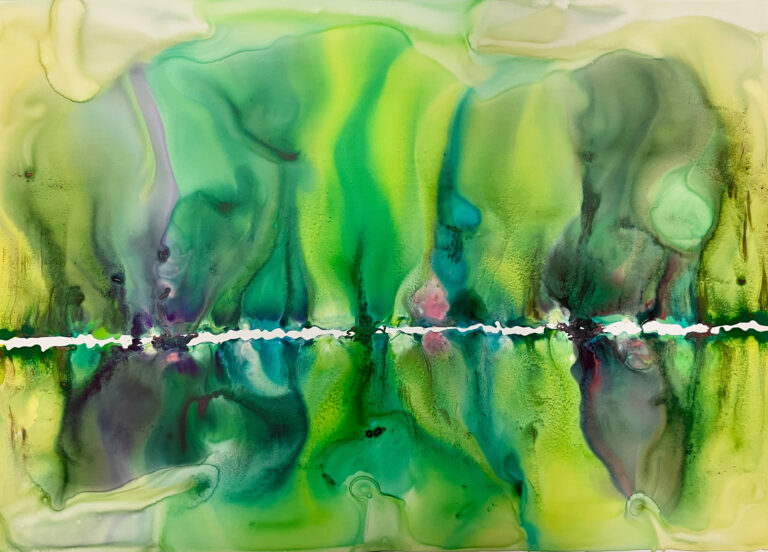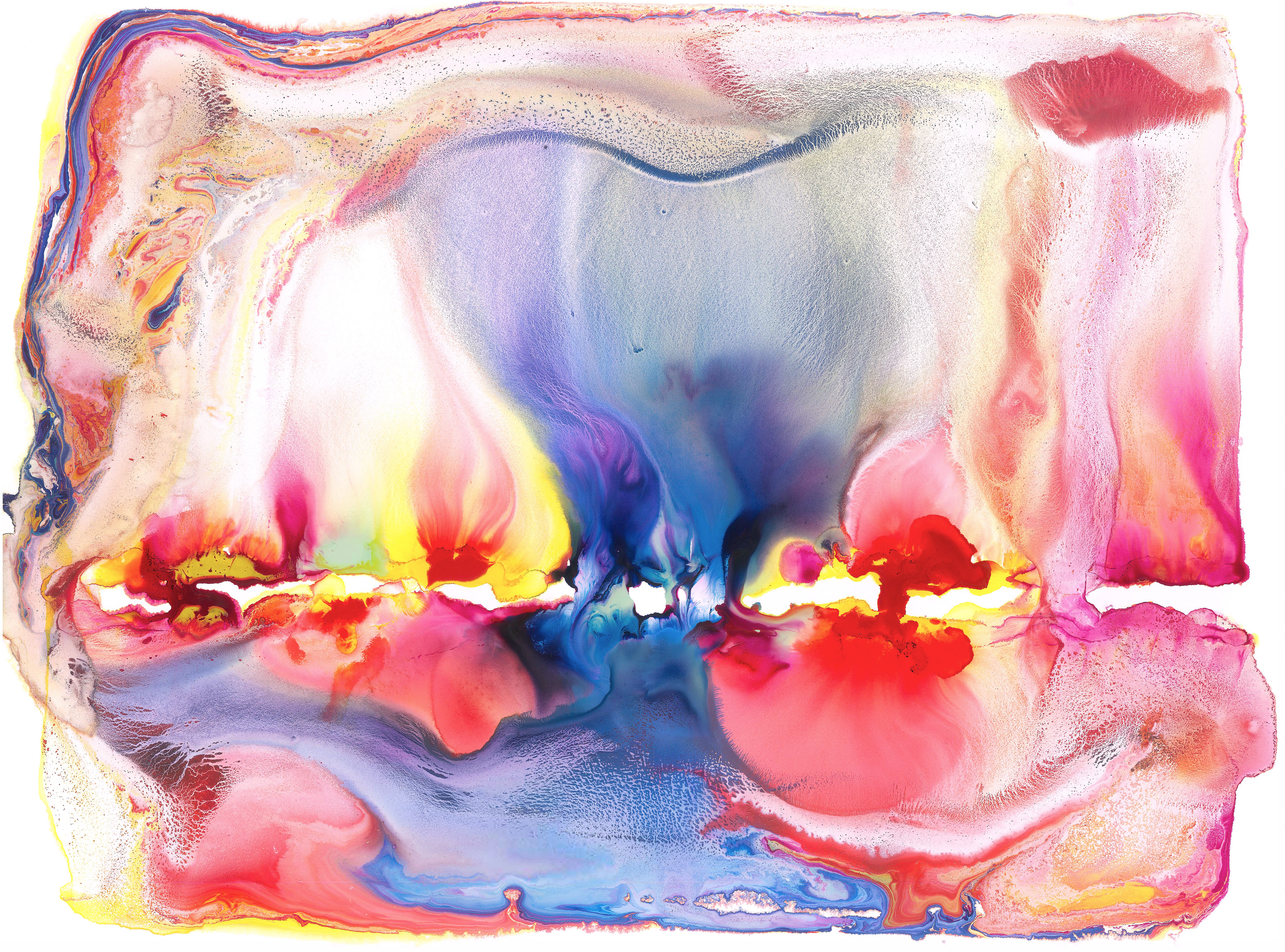
BUY ART. CHANGE LIVES.
Art in service of something bigger…

Throughout May, 50% of all artwork sales will be
donated to The Ehlers-Danlos Society to fund
medical research into Ehlers-Danlos Syndrome —
a group of connective tissue disorders affecting an estimated 1 in 500 people.
To acquire a painting, email art@milenamakani.com
Free worldwide shipping · Fundraiser closes 31 May 2026
EDS is not a rare disease. It is an underdiagnosed one.
You almost certainly know someone living with it.
THE CAMPAIGN
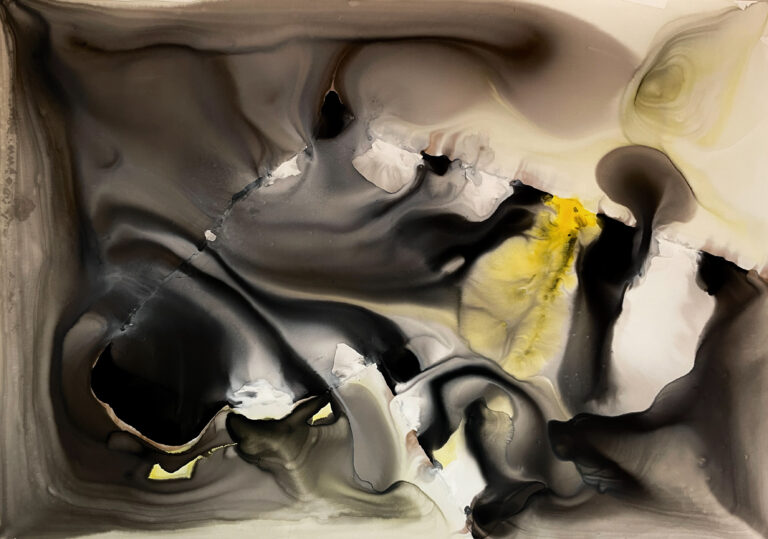
Throughout May 2026 — EDS and HSD Awareness Month — 50% of the proceeds from every artwork sale will be donated to The Ehlers-Danlos Society to fund medical research into Ehlers-Danlos Syndrome (EDS).
This fundraiser includes all available original paintings. It is driven by my own twenty-year diagnostic odyssey with hypermobile EDS and by the transformative impact that medical research had on my quality of life after diagnosis.
The Ehlers-Danlos Society will receive the donation in full at the close of the month.
Like all living things, my paintings exist as single unique originals. I invite you to explore all available works HERE.
To acquire artwork in support the fundraiser, email art@milenamakani.com mentioning the title(s) of interest.
Shipping is free worldwide.
MY STORY
Do you know that feeling when something is not quite right but you cannot explain what and why? For more than twenty years, I lived as a vast collection of symptoms that did not add up, so I know the feeling too well.
Countless specialists across three countries examined me — neurologists, cardiologists, rheumatologists, orthopaedic surgeons, physiotherapists and sports medics — each through the narrow aperture of their own discipline. Some found nothing wrong, other than perhaps my psyche. Others noted something was wrong but could not identify what. Some offered incorrect diagnoses and treatments that led nowhere useful. Nobody, including myself, looked at the whole picture, because nobody thought to.
One day, a neurologist, who was at the end of his wits like so many before him, referred me to an integrated medicine consultant at the Royal London Hospital for Integrated Medicine. He did something no one before him had done: he connected the dots. The pain, the fatigue, the headaches, the cardiological symptoms, the neurological ones — all of it, together. He gave what had been progressively worsening for decades a single name:
Hypermobile Ehlers-Danlos Syndrome (hEDS).
Toward the end of the appointment, he told me to note down medical terms to look up, websites to visit and medical journals to read to educate myself about EDS. That changed everything. Not because a patient should carry the burden of their own medical education, but because the knowledge empowered me. It was there and accessible — accumulating in journals and clinical studies, slowly building toward a clearer understanding of a condition that had bewildered every doctor I had seen until then.
I went to work. I read all research publications I could get my hands on. I used them to find the right specialists — in rheumatology, cardiology, neurology, physiotherapy, pain management, etc. — who understand EDS and its comorbidities. I used the research to understand what I was living with well enough to advocate for myself, precisely and credibly, in consultation rooms where I had previously been dismissed or doubted.
Since diagnosis I have received clinical support for postural orthostatic tachycardia, thoracic outlet syndrome, chronic fatigue, fibromyalgia, musculoskeletal issues, bilateral migraines and many more. None of these conditions disappeared, but with the right management strategies, specialist knowledge and an understanding of how EDS connects them, the quality of my daily life improved profoundly. I still live with permanent pain and hidden disabilities. But I now know my body — its chemical, physical and anatomical workings and quirks — and how to work with it rather than against it. I know when to push and when to rest, what to ask for and who to ask.
That knowledge and toolkit came from a body of scientific work that continues to grow thanks to dedicated researchers, clinicians and organisations like The Ehlers-Danlos Society, and the people who support them.
This campaign is for everyone still living without answers and for the researchers who are finding them.
Acquire a painting before the end of May and make a meaningful contribution to science. 50% of proceeds will support medical research.
Explore all available works HERE.
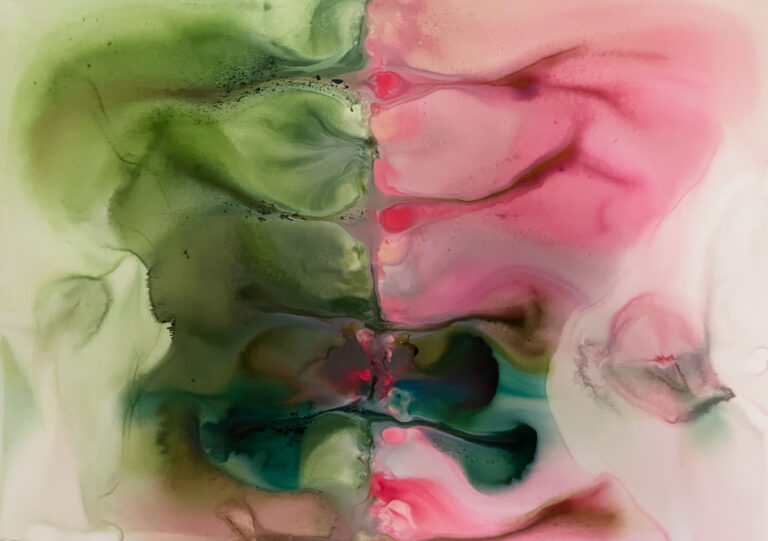
THE ART
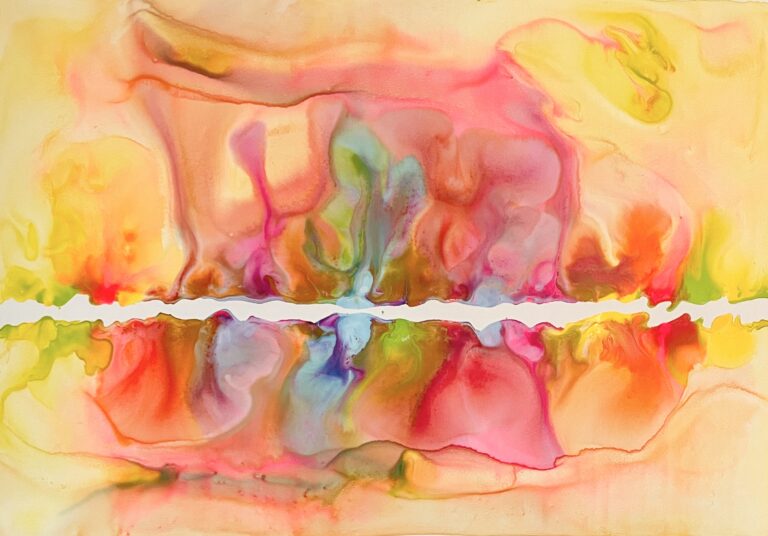
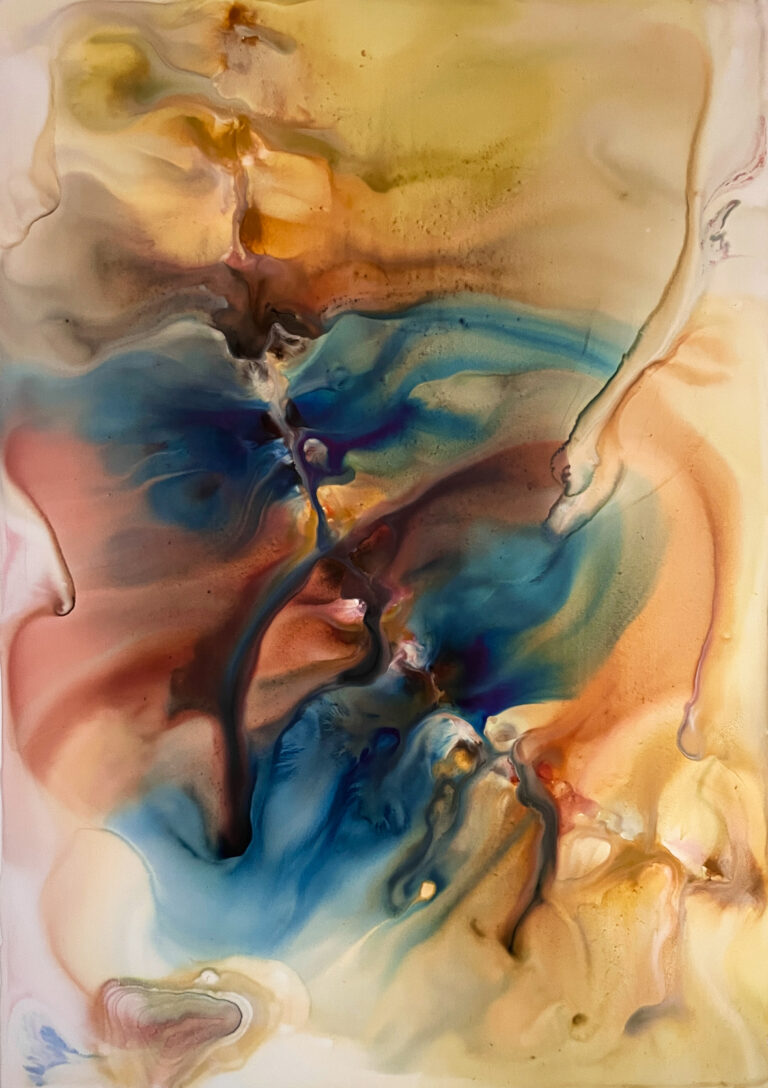
The conceptual framework of my painting practice has always been shaped by life with EDS. It revolves around the hidden, complex, layered and fluid. It explores dualities — tension and release, imperfection and wholeness, control and surrender. The creative process is therapeutic in part… a space to ponder meaning, find beauty and practice gratitude. But more fundamentally, it is a form of celebration. Of good days and good hours. Of what remains possible. Of the capacity for joy that persists stubbornly and unwaveringly.
My work aims to make visible what ordinarily escapes sight and even consciousness — the molecular, the emotional and the structural forces that move beneath the surface. Living with a serious, systemic condition that manifests in largely hidden ways, the invisible is not a reference I make abstractly. It is central to my life.
This fundraiser is not separate from the work. It is an extension of it.
Explore the paintings HERE and journey into your own hidden inner landscapes.
THE CONDITION
EDS is not a rare disease. It is an underdiagnosed one.
Ehlers-Danlos Syndrome is a group of heritable connective tissue disorders — conditions affecting collagen, the structural protein that forms the body’s scaffolding. Connective tissue is the most abundant tissue in the human body and present virtually everywhere — surrounding cells, wrapping muscles, forming tendons and ligaments, lining cavities, reinforcing blood vessel walls, cushioning joints. It is what holds everything together and in place. When collagen is faulty, the effects are not localised. They are felt everywhere.
Hypermobile EDS is the most common subtype and estimated to affect 1 in 500 people — more prevalent than multiple sclerosis, cystic fibrosis or Huntington’s disease. It is likely present in the life of everyone reading this: yourself, a friend, a family member, a colleague — perhaps living with symptoms, perhaps already diagnosed, perhaps still waiting for answers.
The condition is consistently missed not because it is obscure or uncommon, but because awareness among medical professionals remains critically low. A GP is statistically unlikely to encounter formal EDS training in their education. A cardiologist treating dysautonomia, a rheumatologist treating joints or a vascular surgeon treating thoracic outlet syndrome may each be seeing a different face of the same underlying condition without ever realising it.
Research changes this by deepening scientific understanding of EDS and by translating that understanding into clinical education, diagnostic tools and management guidelines that reach doctors and patients alike.
The Ehlers-Danlos Society funds both the science and its dissemination. This campaign funds them.
Support research through art.
Find a painting that resonates with you HERE.
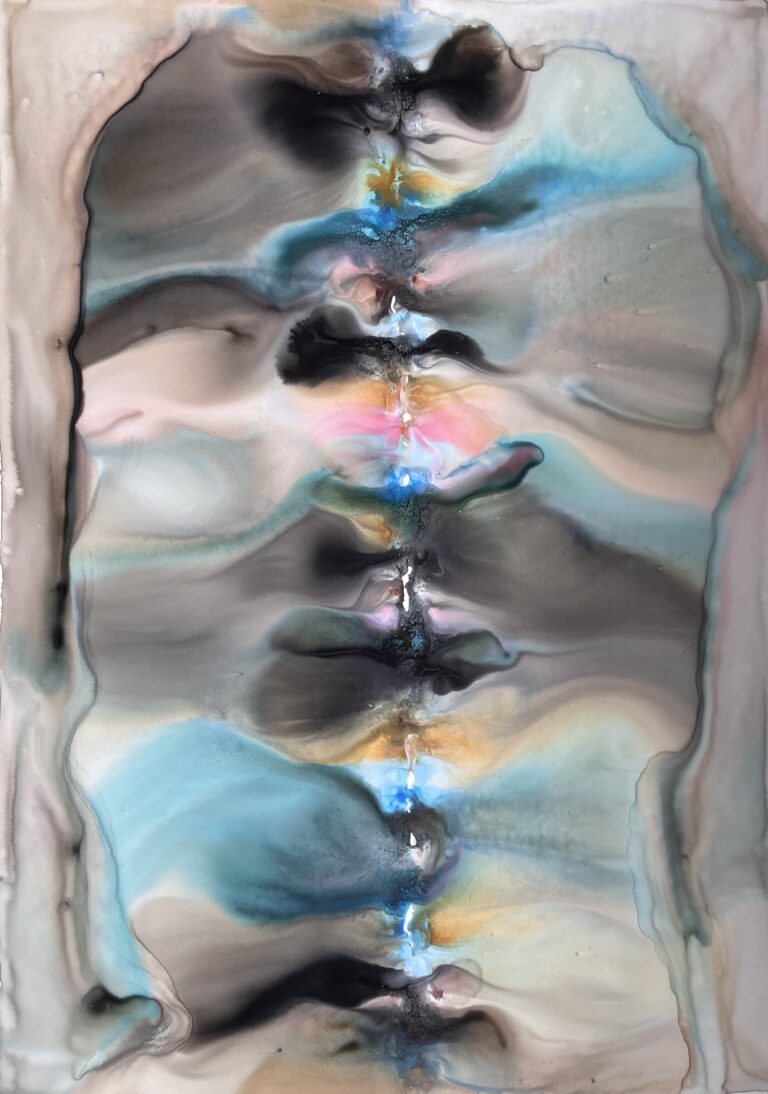
THE EFFORT
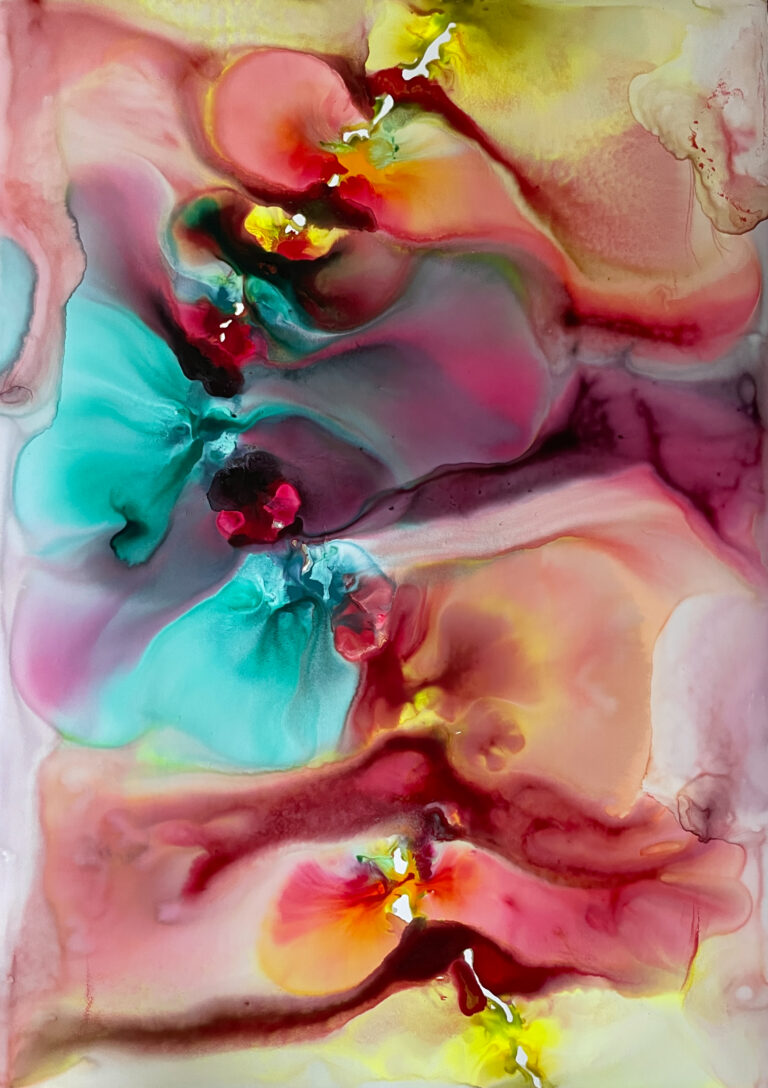
The Ehlers-Danlos Society is the world’s leading organisation advancing research, awareness and care for people with EDS and hypermobility spectrum disorders. With the support of committed donors, they have funded over $10 million in medical research to date.
Their work spans the full breadth of what patients need: understanding the biological causes and manifestations of EDS, developing the diagnostic tools that can end decades-long delays and building the clinical knowledge that helps doctors manage its many comorbidities.
Current work includes a landmark study using whole genome sequencing and proteomics analysis — the most comprehensive examination of the biology of hEDS undertaken to date — alongside research into diagnostic biomarkers, pain pathways and comorbidity management. Their ‘Road to 2026’ initiative will culminate in updated global classification and diagnostic criteria, peer-reviewed open-access publications and multilingual educational resources for both patients and clinicians. Beyond this, the research pipeline and the need for it are growing.
The average diagnostic delay for hEDS is over 22 years. 94% of patients are misdiagnosed. 88% are initially told they are making their symptoms up. hEDS is closer to common than rare, and it is yet consistently missed. Research and awareness are the paths to change this and The Ehlers-Danlos Society leads both.
Learn more about EDS and the work of The Ehlers-Danlos Society on their website.
Support their efforts through this fundraiser and acquire one of the paintings you can explore HERE.
YOUR IMPACT
The art and the relationship you form with it have not changed. The paintings are as they were in April and as they will be in June. What changes this month is what acquiring them means.
During all of May, 50% of the proceeds from every sale will be donated to The Ehlers-Danlos Society — funding the medical research that makes a genuine difference in diagnostic rooms, in treatment clinics and the daily lives of people managing a complex, multisystemic condition.
Collect art. Advance science. Change lives.
Explore all available works HERE.
Email art@milenamakani.com to acquire a painting in support of this fundraiser.
50% donated · Free worldwide shipping · Ends 31 May 2026